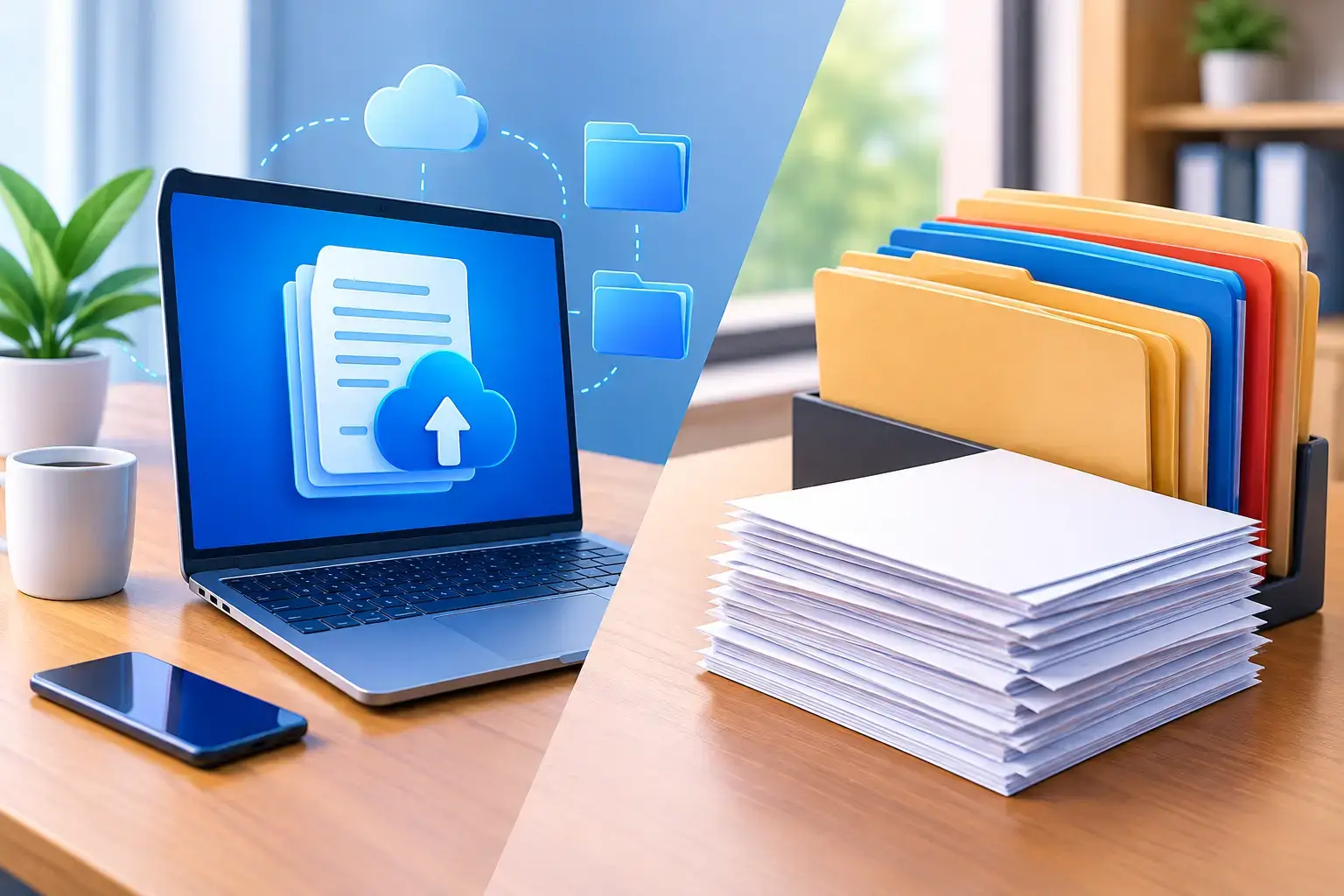
A filing deadline at 11:59 p.m. and a clerk’s window that closes at 4:30 p.m. create two very different workdays. That is the practical difference behind electronic versus physical filing. For legal teams, the question is rarely whether technology is better than paper in the abstract. The real question is which method the court, agency, case posture, and document type require - and how to complete the task with a reliable record of submission.
Electronic filing has changed the pace of civil litigation, particularly in courts with mandatory e-filing rules. Physical filing remains necessary in many situations, however, including matters involving original documents, local court requirements, court-specific exceptions, and filings that must be delivered, lodged, or conformed in person. The strongest workflow does not treat either option as an afterthought. It verifies the applicable procedure before the deadline becomes the problem.
Electronic Versus Physical Filing: The Operational Difference
Electronic filing submits documents through a court-approved electronic filing service provider or a government portal. It typically produces a timestamped confirmation, routes documents to the clerk for review, and makes filed documents available through the court’s electronic system after acceptance. For firms managing high filing volume, it reduces printing, messenger coordination, and trips to the courthouse.
Physical filing requires delivery of paper documents to the appropriate clerk’s office or agency. Depending on the assignment, that may involve a walk-in filing, a messenger delivery, a drop box, mail service, or a court-approved filing window. The filing party may need endorsed copies returned, a receipt obtained, or a conformed copy delivered to opposing counsel or the client file.
Neither method eliminates the need for procedural accuracy. An e-filed document can be rejected for an incorrect filing code, omitted attachment, formatting issue, or fee problem. A paper filing can be refused because the documents are incomplete, the copies do not meet local requirements, or the clerk receives it after the deadline. In both cases, confirmation of receipt is not always the same as confirmation of acceptance.
When Electronic Filing Is the Better Choice
Electronic filing is usually the more efficient option when the court mandates it, the documents are routine pleadings or motions, and the legal team needs a fast, traceable submission process. It is especially useful for firms that file across multiple matters and want the filing record to move quickly into the case management system.
The timestamp is a meaningful advantage. Subject to the applicable court rules, electronic filing can permit submission after normal clerk-counter hours. That does not mean a filing should wait until the last minute. Technical outages, payment authorization issues, rejected envelopes, and service-provider cutoffs can still affect a deadline. A filing submitted late in the evening may also remain pending for clerk review, which makes prompt status monitoring essential.
Electronic filing can also reduce handling steps. Instead of producing multiple paper sets, coordinating a courier, and waiting for stamped copies, the firm can prepare a compliant PDF package and receive electronic notices. That creates a cleaner audit trail when the filing is accepted and properly saved.
Still, e-filing is not simply a matter of uploading a document. Attorneys and staff must confirm the correct court, case number, party selection, document category, filing party, payment method, and service requirements. A wrong selection can delay acceptance even when the pleading itself is legally sound. The operational benefit comes from disciplined review, not just from the platform.
E-filing requires active follow-through
A common mistake is treating the transmission confirmation as the final step. It is not. The filing team should watch for acceptance, rejection, clerk notices, and any request for correction. If an envelope is rejected, the available time to cure may be limited, particularly near a statutory or court-ordered deadline.
For matters requiring prompt action, assign a clear owner for checking the filing status. Save the submission receipt, accepted filing notice, and file-stamped document in the case record. That simple discipline makes it easier to answer a partner, client, or court clerk without reconstructing the history later.
Papers to serve or file? Attach up to 5 files to one Service Request.
When Physical Filing Is Still Necessary
Paper filing remains a practical necessity where electronic filing is not available, not required, or not appropriate for the assignment. Courts and agencies may have different rules for particular case types, self-represented parties, sealed materials, ex parte papers, original exhibits, or documents requiring wet signatures. Local procedures can also change the proper delivery method.
Original documents are one of the clearest examples. A court, recorder, or government agency may require an original signed instrument, certified document, bond, check, or other item that cannot be handled by ordinary electronic submission. Some filings also require physical courtesy copies, chambers copies, or lodged documents even after an electronic filing has been completed. The governing rules and department-specific instructions control.
Physical filing can be the better choice when a case needs immediate clerk interaction. If a filing packet has unusual requirements, a trained messenger can identify a problem at the counter, obtain direction from the clerk when appropriate, and report the issue promptly to the legal team. That does not guarantee acceptance, but it can prevent a correctable detail from becoming a longer delay.
The trade-off is coordination. A paper filing requires sufficient lead time for printing, assembly, delivery, clerk processing, and return of conformed copies. It also requires precise instructions about the filing location, deadline, number of copies, fees, return method, and whether a courtesy copy or service package is included. Vague delivery instructions are a frequent source of unnecessary expense and missed expectations.
Choosing the Right Filing Method for the Assignment
The correct choice begins with the court’s current rules, not with the firm’s usual preference. Mandatory e-filing requirements, exemptions, filing-hour rules, technical specifications, and local procedures differ by court and can change. California practitioners handling matters across counties should avoid assuming that a process used successfully in one venue will apply without modification in another.
Next, consider the document itself. Is it a standard motion, pleading, or declaration that fits the e-filing system? Does it contain an original signature, physical exhibit, confidential material, or item that must be delivered separately? Is a clerk-stamped copy needed immediately for another step in the matter? These questions define the method and the lead time.
Then consider the deadline risk. If the assignment is routine and the court’s e-filing system is available, electronic filing may offer the fastest path with a documented timestamp. If the document requires a physical original or local handling that cannot be completed electronically, plan a paper delivery early enough to address clerk questions or unexpected requirements. A deadline-sensitive paper filing should not depend on a last-hour courthouse run unless there is no alternative.
Cost also matters, but it should be measured correctly. E-filing may reduce courier and printing costs while adding provider or transaction fees. Physical filing may involve messenger charges, parking, printing, and return delivery, but it can be the only compliant route or the most efficient way to handle an original document. The least expensive method is not the best value if it produces a rejection, a missed cutoff, or a preventable follow-up trip.
Papers to serve or file? Attach up to 5 files to one Service Request.
Build a Filing Workflow That Can Handle Both
Firms do not need separate, disconnected processes for electronic and paper work. They need one intake process that identifies the filing method early and assigns responsibility for each checkpoint. The request should state the venue, case number, deadline, filing documents, required copies, fee information, return instructions, and any service or courtesy-copy requirements.
For electronic submissions, include a final review of the PDF package and filing selections before transmission, followed by confirmation monitoring after submission. For physical assignments, confirm the delivery location, clerk-window hours, document assembly, payment method, and instructions for obtaining conformed copies. In either process, preserve the proof: receipt, transaction record, filed-endorsed copy, rejection notice, or clerk communication.
A statewide support provider can reduce the burden of coordinating local messengers and separate vendors, particularly when a matter requires filing, document retrieval, or service in different counties. Valpro Attorney Services coordinates these assignments through experienced field coverage and direct status communication, giving legal teams a single point of accountability when the work cannot wait.
The most dependable filing practice is not choosing paper or electronic by habit. It is confirming the rule, preparing the correct package, and verifying acceptance before moving to the next litigation task. When the stakes are a deadline, a hearing, or the preservation of a client’s rights, the filing method should serve the procedure - not the other way around.